Barnes Common carpet cleaning and stain removal tips
If you live near Barnes Common, you already know carpets have a habit of showing everything: muddy shoes after a walk, the odd cup of tea, pet mishaps, and those little day-to-day marks that creep in before you've even noticed. Good Barnes Common carpet cleaning and stain removal tips are not about overcomplicating things. They're about knowing what to do quickly, what to avoid, and when a stain needs a calmer, more careful approach.
This guide pulls together practical carpet care advice for local homes, flats, family spaces, rentals, and busy households. You'll find step-by-step cleaning guidance, stain removal methods that make sense in real life, common mistakes to avoid, and a few expert habits that can save a lot of grief. Truth be told, the difference between a stain that lifts and a stain that sets is often the first five minutes.
Table of Contents
- Why Barnes Common carpet cleaning and stain removal tips Matters
- How Barnes Common carpet cleaning and stain removal tips Works
- Key Benefits and Practical Advantages
- Who This Is For and When It Makes Sense
- Step-by-Step Guidance
- Expert Tips for Better Results
- Common Mistakes to Avoid
- Tools, Resources and Recommendations
- Law, Compliance, Standards, or Best Practice
- Options, Methods, or Comparison Table
- Case Study or Real-World Example
- Practical Checklist
- Conclusion
- Frequently Asked Questions
Why Barnes Common carpet cleaning and stain removal tips Matters
Carpets do more than soften a room. They affect how clean a home feels, how long flooring lasts, and even how much effort you spend on everyday tidying. Around Barnes Common, where many homes mix family life, foot traffic, pets, and the usual London weather bringing in a bit of damp and grit, carpet care can make a very visible difference.
A clean carpet can brighten a room in a way paint often cannot. It also helps with odours, surface dust, and the general tired look that builds up gradually. Not dramatic, just sneaky. One day the carpet seems fine, and then you move a chair and notice the patch underneath looks very much like a different carpet altogether.
Stain removal matters because the wrong response can make a stain spread, set deeper into the fibres, or leave a ring that is harder to remove later. A gentle, informed approach usually works better than panic and scrubbing. In our experience, most damaged carpets are not ruined by the stain itself, but by how the stain was treated.
There is also a practical value angle. Looking after carpets properly can help delay replacement, support a nicer home environment, and reduce the need for harsh intervention. That is especially useful in rentals or family homes where you want things looking smart without having to start again every few years.
How Barnes Common carpet cleaning and stain removal tips Works
At its simplest, carpet cleaning works by loosening soil, lifting it from the fibre, and removing it before it can resettle. Stain removal is slightly different. A stain may involve colour, oils, proteins, tannins, dyes, or a mix of all four. That is why the same method will not work on every mark, and why some old household "fixes" do more harm than good.
Most carpet fibres in homes are either synthetic, wool, or a blend. Synthetic carpets are often a bit more forgiving, while wool needs more care because it can react poorly to excessive heat, heavy rubbing, or the wrong cleaning solution. If you are unsure what fibre you have, check the label, building records, or ask a professional before going in hard with a DIY spot cleaner.
The process usually follows a sensible order:
- Identify the stain type and carpet fibre.
- Remove solids or blot excess liquid without spreading the mark.
- Test a small hidden area if using any cleaner.
- Apply a suitable cleaning method gently.
- Rinse or neutralise if needed, then dry thoroughly.
The drying stage matters more than many people realise. A carpet that stays damp for too long can develop odours, brown edges, or a slightly matted look. On a cool Barnes morning with the windows half-open, it can take a bit of patience. Worth it, though.
Key Benefits and Practical Advantages
There are some very obvious benefits to keeping on top of carpet care, but a few are less obvious until you've experienced the opposite.
- Better appearance: colours look fresher, pile stands up more neatly, and rooms feel less tired.
- Improved hygiene: regular cleaning helps remove dirt, debris, and some odour-causing residues.
- Longer carpet life: embedded grit acts like fine sandpaper. Less grit, less wear.
- Easier daily upkeep: once the fibres are clean, vacuuming tends to work better too.
- Less stress during accidents: if you know what to do, a spill is a nuisance, not a minor disaster.
There is a quieter benefit as well: confidence. You stop freezing when someone drops red wine or muddy trainers hit the hall. You just know the drill. It sounds small, but in a busy household that calm response saves time and keeps the place feeling under control.
Expert summary: the best carpet care routine is usually a mix of quick spill response, regular vacuuming, targeted stain treatment, and occasional deeper cleaning. Simple, consistent, and far more effective than waiting until the carpet looks obviously dirty.
Who This Is For and When It Makes Sense
This advice is useful for homeowners, tenants, landlords, letting agents, property managers, and anyone trying to keep a carpet presentable without unnecessary expense. It is especially relevant if your home sees regular foot traffic from children, pets, guests, or outdoor shoes moving between the garden and the hallway.
It also makes sense if you are preparing for a move-out inspection, a family gathering, or simply trying to bring a room back to life after a long stretch of everyday use. Let's face it, carpets can look oddly worn even when the rest of the room is tidy.
You may want a more careful approach if:
- the carpet is wool or a natural fibre
- the stain is unknown, old, or has already been treated once
- the area is large or the carpet backing may be affected
- the smell suggests a deeper contamination, not just a surface mark
- there is a mould, urine, or spill issue that has soaked through
In those cases, being cautious is not overthinking. It is sensible.
Step-by-Step Guidance
The best carpet stain removal usually starts with slowing down. That sounds unhelpful, but it matters. A rushed, aggressive clean can turn a small spot into a bigger patch, especially on lighter carpets.
1. Act quickly, but not recklessly
If the spill is fresh, blot it gently with a clean white cloth or paper towel. Do not rub. Rubbing pushes the liquid deeper and can rough up the fibres. If there are solids, lift them away with a spoon or blunt edge first.
2. Work out what you are dealing with
Tea and coffee behave differently from grease, mud, paint, or food colouring. Protein-based stains, such as milk or pet accidents, need a different approach from oily or tannin-based marks. If you can identify the source, your chances improve straight away.
3. Test first in a hidden spot
Any cleaner, even a mild one, should be tested in a concealed area. That bit is not glamorous, but neither is a bleach mark in the middle of the room. Check for colour loss, texture change, or residue after it dries.
4. Use a small amount of cleaner
Apply product sparingly. The aim is controlled treatment, not soaking. A little goes a long way, especially on carpets with a dense pile or underlay that may hold moisture.
5. Blot, lift, repeat
Work from the outside of the stain towards the centre. This helps stop the mark spreading. Use a clean cloth each time if possible. It sounds fussy, but dirty cloths just move the problem around.
6. Rinse where appropriate
If a cleaning product leaves residue, lightly rinse with clean water and blot again. Some stain removers continue working on the stain, but many cleaners should not be left sitting in the fibres.
7. Dry thoroughly
Open windows where safe, use airflow, and avoid walking on the area until fully dry. A fan can help. If the carpet feels even slightly damp the next morning, keep drying it. That's the bit people often skip, then wonder why there's a smell.
8. Finish with a gentle vacuum
Once dry, vacuum the area to lift the pile back up. This can make the treated patch blend better with the surrounding carpet and reduce that flattened look after spot cleaning.
Expert Tips for Better Results
A few small habits make a surprisingly large difference. These are the kinds of details that often separate a quick fix from a proper result.
- Use white cloths, not coloured ones. Dyes from towels can transfer onto light carpets.
- Blot with pressure, not movement. Press down, lift, then move to a clean section of the cloth.
- Keep a stain kit ready. A simple kit with cloths, a spoon, gloves, and a suitable cleaner saves time in a rush.
- Try cool or lukewarm water first. Hot water can set some stains, especially protein-based ones.
- Be careful with wool. Wool carpets often need gentler products and less moisture.
- Treat odours and stains together. A carpet can look cleaner but still smell if the spill reached the backing.
Here is a very local reality: a Barnes Common hallway after wet weather can bring in mud that dries into fine grit. That grit does not always look dramatic, but it works its way down into the fibres. Regular vacuuming with a decent machine often prevents the "why is this hallway suddenly so dull?" moment.
And yes, sometimes the best tip is embarrassingly simple: stop using the same old kitchen spray on everything. Not every surface wants the same treatment. A carpet definitely does not.
Common Mistakes to Avoid
Most carpet problems after a spill come from a few predictable mistakes. Once you know them, they're easy to avoid. Mostly.
- Scrubbing hard: this frays fibres and can spread the stain.
- Using too much water: excess moisture can seep into the underlay.
- Skipping the test patch: a cleaner that works on one carpet may damage another.
- Mixing cleaning products: never combine chemicals unless the product instructions specifically allow it.
- Waiting too long: older stains are harder to shift and may need specialist treatment.
- Ignoring the carpet type: wool, synthetic, and blended fibres each react differently.
- Leaving residue behind: sticky residue attracts new dirt, so the spot can reappear darker later.
A small but important point: if a stain keeps "coming back" after drying, it may be wicking up from below the surface. That usually means the backing or underlay was affected, not just the visible pile. In that case, a quick top-up clean rarely solves it for long.
Tools, Resources and Recommendations
You do not need a giant cupboard full of gadgets. A simple, sensible kit is usually enough for most household spills and routine care.
| Tool or item | What it is good for | Practical note |
|---|---|---|
| Microfibre or white cotton cloths | Blotting spills and lifting residue | Keep several to hand so you are not reusing a soaked cloth |
| Soft-bristled brush | Gently loosening dried dirt | Use lightly to avoid damaging the pile |
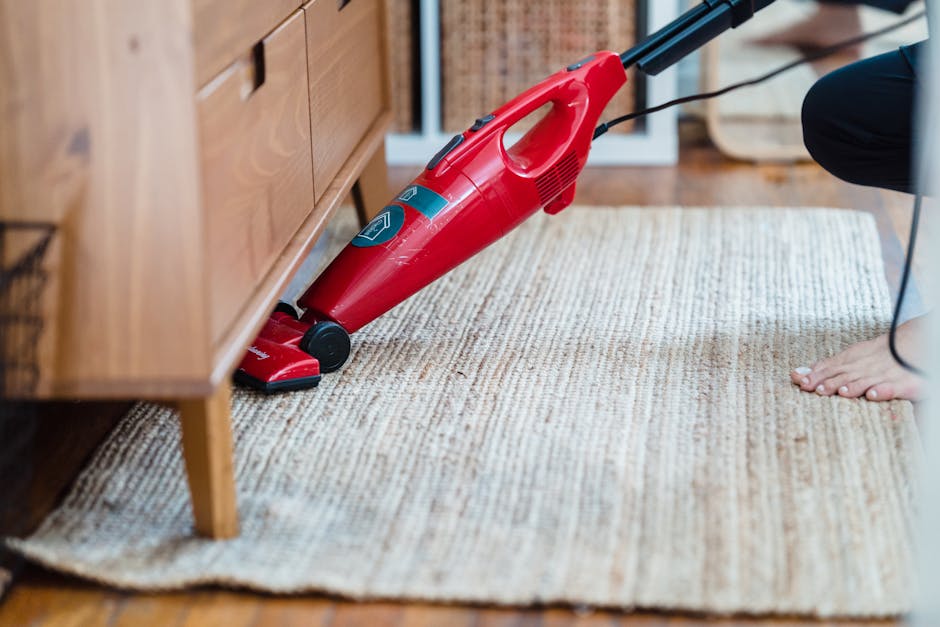
| Vacuum cleaner with good suction | Daily maintenance and post-clean finishing | A clean filter helps more than people think |
| Small bowl or spray bottle | Applying diluted cleaning solution | Less is usually better than more |
| White towel | Pressing moisture out after treatment | Useful for a final dry-down on the spot |
| Gentle carpet-safe stain remover | Treating fresh marks | Check compatibility with your carpet fibre first |
If you already keep a hoover with upholstery attachments, that can also help with stairs, edges, and the corners where dust collects. The skirting line area is often surprisingly grim, even when the centre of the carpet looks okay. A bit rude, really.
For deeper cleans, some people use rented machines or hire professional carpet cleaning services. That can be a sensible choice if the carpet is widespread, heavily soiled, or too delicate for DIY treatment. If you are weighing up whether the job is worth doing yourself, think about drying time, the fibre type, and how much risk you are prepared to take on a valued carpet.
Law, Compliance, Standards, or Best Practice
For most household carpet cleaning, there is no special legal process you need to follow. Still, there are some sensible UK best-practice points worth keeping in mind, especially if you are a landlord, letting agent, or managing a property.
First, always follow the product instructions and safety warnings. This sounds obvious, but the label is there for a reason. Ventilation matters too. If you are using a stronger cleaner indoors, open windows where possible and keep children and pets away until the area is dry and safe to use.
Second, if you are handling carpets in a rented property, it is wise to treat tenant damage, fair wear, and age-related soiling differently. A blanket assumption is rarely helpful. In practice, the condition of the carpet at check-in, the age of the flooring, and the nature of the stain all matter when deciding what action is reasonable.
Third, if the spill involves bodily fluids, urine, or anything that could be a hygiene concern, use protective gloves and avoid overhandling the area. In some situations, specialist cleaning is the safer choice. That is not being overcautious; it is just proper judgment.
Good practice also means knowing when to stop. If a stain is worsening, the carpet is delicate, or the odour suggests contamination beneath the surface, the smart move is to pause rather than chase it with stronger chemicals.
Options, Methods, or Comparison Table
Different cleaning methods suit different situations. A quick comparison helps when you are deciding whether to spot clean, deep clean, or bring in professional help.
| Method | Best for | Pros | Limitations |
|---|---|---|---|
| Blotting and spot treatment | Fresh spills and small marks | Fast, cheap, low risk when done carefully | Less effective on old, set-in stains |
| Manual deep cleaning | General refresh and moderate soiling | More controlled than soaking the carpet | Can be time-consuming and depends on technique |
| Machine cleaning | Larger areas and heavier dirt build-up | Good for broader restoration | Needs careful drying and the right settings |
| Professional cleaning | Delicate fibres, stubborn stains, odours, or full-room refresh | Expert assessment and stronger equipment | Higher cost and may require booking time |
For many Barnes homes, the practical answer is mixed use: spot treatment for little accidents, routine vacuuming through the week, and a deeper clean when the carpet starts to lose its lift. That approach is usually enough to keep things looking decent without turning your weekend into a cleaning marathon.
Case Study or Real-World Example
A common local scenario goes like this: a family in Barnes Common returns from a muddy park walk, and the hallway carpet picks up dirt near the entrance. Later that evening, someone knocks over a cup of tea. By the next morning, there is a dull patch, a darker stain edge, and a slightly stale smell around the area.
The response that tends to work best is calm and staged. First, dry the mud before touching it, then vacuum thoroughly. Next, blot the tea spill with clean cloths and a mild carpet-safe solution, using as little moisture as possible. After that, allow time for drying with airflow. Not glamorous. Very effective.
What usually goes wrong in this kind of situation is impatience. Someone reaches for a brush, scrubs harder than necessary, then adds more liquid because the stain is still visible. Before long, the area looks worse, not better. If the spill has already reached the underlay, the smell can linger even after the top fibres look improved. That is when a more thorough clean becomes worthwhile.
The lesson is simple enough: sequence matters. Dry debris first, treat liquid second, dry properly, then reassess. That order saves carpets.
Practical Checklist
Use this quick checklist whenever you are dealing with carpet stains or planning a deeper clean.
- Identify the stain type if you can.
- Check the carpet fibre and care instructions.
- Blot, do not rub.
- Test any cleaner in a hidden spot.
- Use only a small amount of solution.
- Work from the outside of the stain inward.
- Avoid soaking the carpet or underlay.
- Rinse lightly if residue remains.
- Dry fully with airflow and patience.
- Vacuum once the carpet is completely dry.
- Reassess old stains before trying stronger products.
- Call in help if the stain is large, delicate, or smells persistent.
If you keep this list somewhere handy, it removes a lot of the guesswork. And on a busy weekday evening, guesswork is exactly what you do not want.
Conclusion
The best Barnes Common carpet cleaning and stain removal tips are the ones you can actually use in a real home, not just in theory. Start quickly, stay gentle, identify the stain if possible, and treat the carpet according to its fibre type. The details matter, but the big principle is straightforward: less panic, more precision.
Regular care will keep a carpet looking fresher, help prevent stains from settling in, and make your home feel calmer and more cared for. Whether you are dealing with a fresh spill, a worn hallway, or a carpet that has just lost its bounce, a sensible approach can make a noticeable difference. And sometimes that fresh, clean room smell after drying? Honestly, it feels like a small win.
Get a free quote today and see how much you can save.
Frequently Asked Questions
What is the best first step when a carpet stain happens?
Blot the spill gently with a clean white cloth or paper towel as soon as possible. The aim is to lift liquid out of the fibres without rubbing it deeper or spreading the mark.
Can I use washing-up liquid on carpet stains?
Sometimes a tiny amount diluted well can help with greasy marks, but it is not a universal solution. Always test first, and avoid leaving sticky residue behind. Carpet-safe products are usually the safer choice.
How do I remove tea or coffee from a carpet?
Blot immediately, then use a small amount of suitable carpet cleaner with cool or lukewarm water. Work from the outside in and dry the area thoroughly so the stain does not wick back up.
Why does a carpet stain come back after cleaning?
This often happens when the stain has soaked below the surface into the backing or underlay. As moisture rises while drying, residue can reappear at the top. It is annoying, but common.
Are wool carpets harder to clean?
They can be, yes. Wool is more sensitive to heat, strong chemicals, and excess moisture. Gentler products and careful blotting are usually best.
How often should carpets be deep cleaned?
That depends on foot traffic, pets, children, and the room itself. Busy areas often need more frequent attention than spare rooms. For many homes, periodic deep cleaning is sensible when vacuuming alone no longer restores the look.
What stains should I not try to remove myself?
Large spills, unknown stains, urine, mould-related marks, or anything that may have penetrated deeply are often better handled carefully or professionally. If in doubt, pause before making it worse.
Can vinegar remove carpet stains?
Sometimes it can help with certain marks, but it is not ideal for every carpet or every stain. It may also leave odour or affect delicate fibres. Use caution and test first.
How do I stop a carpet from smelling after a spill?
Act quickly, remove as much liquid as possible, and make sure the carpet and underlay dry fully. Odours often linger when moisture is trapped below the surface rather than in the visible fibres alone.
Is professional carpet cleaning worth it for a small home?
It can be, especially if the carpet is valuable, heavily soiled, or made from a delicate fibre. A good clean can lift the whole room and save you a lot of trial and error.
What should I do before cleaning a stain on a rented property carpet?
Check the carpet type if possible, document the condition, and use a cautious approach. If the issue is large or unusual, it is often best to avoid heavy DIY methods until you know what the fibre and damage level are.
How can I keep carpets cleaner for longer?
Use doormats, vacuum regularly, deal with spills quickly, and avoid bringing in outdoor dirt where you can. Small habits make a big difference over time, especially in busy households.